
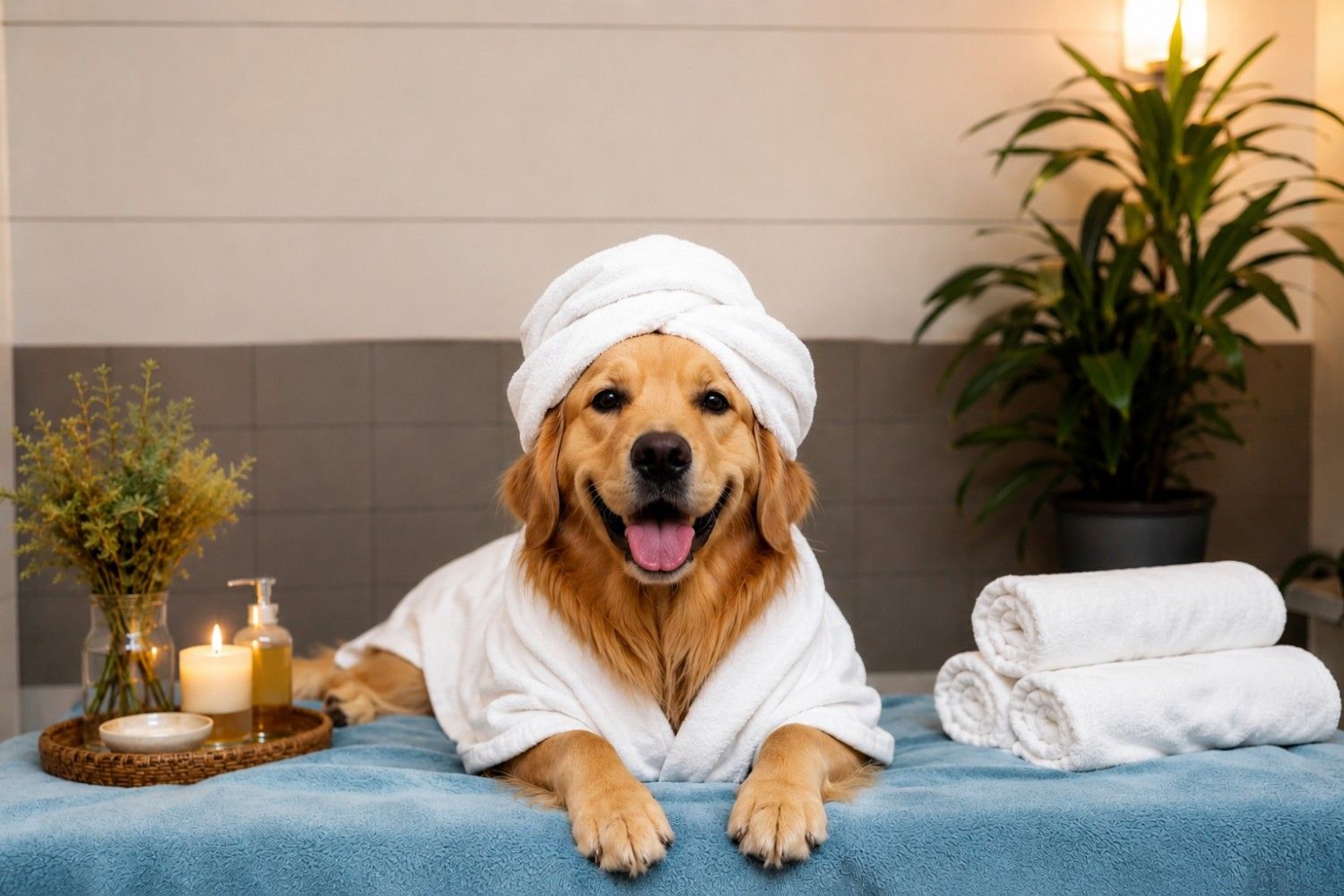
Dog Spa Day at Home: Simple Ways to Pamper Your Pup
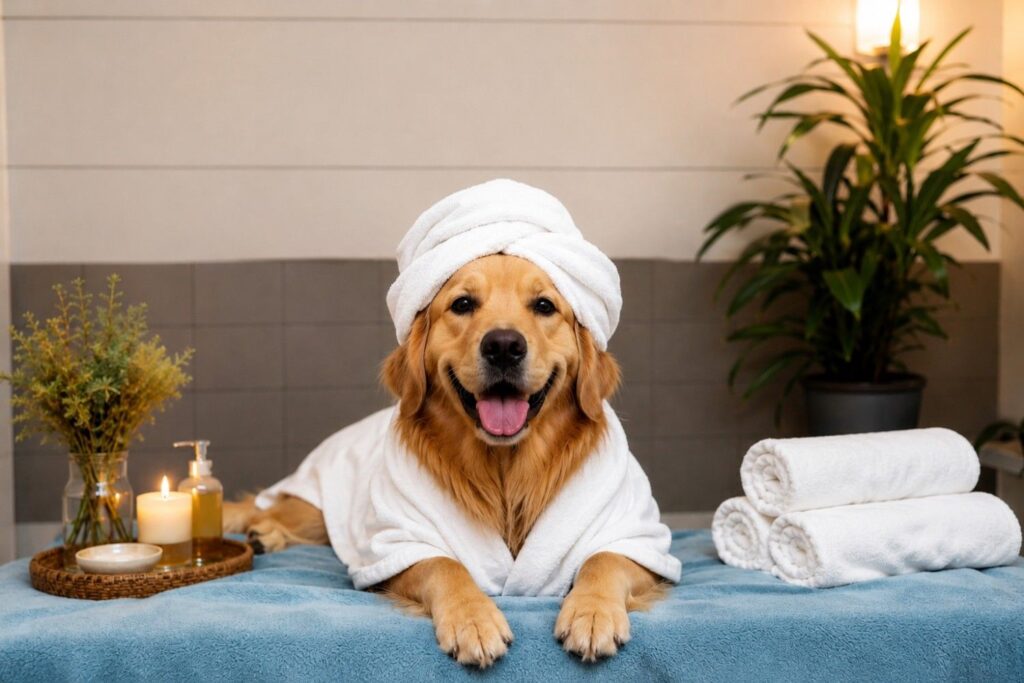
A dog spa day at home is a simple way to help your pup feel clean, calm, and cared for. It does not need to be fancy. You do not need expensive tools or a full grooming setup.
Most dogs only need a safe routine, gentle products, warm water, and a little patience.
A home spa day can include brushing, bathing, nail care, ear cleaning, paw care, and a few relaxing extras. You can keep it short for a nervous dog or make it a longer care routine for a dog that enjoys grooming.
The goal is not to make everything perfect. The goal is to help your dog feel fresh, comfortable, and loved.
Why Give Your Dog a Spa Day at Home?
A dog spa day is not only about making your pup look cute. It also helps with comfort, hygiene, and bonding.
Regular grooming can help remove loose hair, dirt, and small tangles from your dog’s coat. This can make your dog feel cleaner and help reduce that strong dog smell around the house.
It also gives you a chance to check your dog’s body more closely. While brushing or bathing, you may notice dry skin, small bumps, fleas, redness, sore paws, or changes near the ears. These small checks can help you spot problems early.
A spa day can also support healthier paws. Dogs walk on many surfaces, including grass, dirt, pavement, floors, and sidewalks. Cleaning and checking their paws can help remove debris and make sure nothing is stuck between the toes.
It can also be a good bonding time. Many dogs enjoy calm touch, soft brushing, gentle praise, and treats. When you keep the routine slow and positive, your dog may start to see grooming as a safe part of home life.
For some dogs, a home spa day may feel less stressful than a trip to a groomer. This is especially true for shy dogs, senior dogs, puppies, or dogs that feel nervous in busy places.
Still, home grooming is not always the right choice for every dog. If your dog has painful mats, skin wounds, ear pain, heavy fear, or aggressive behavior during grooming, it is better to ask a vet or professional groomer for help.
What Do You Need for a Dog Spa Day at Home?
You do not need a long list of supplies. Start with simple items that keep your dog safe, clean, and comfortable.
Here are the basic things you may need:
Dog shampoo
Clean towels
Brush or comb
Nail clippers or nail grinder
Cotton pads or cotton balls
Ear cleaner made for dogs
Paw balm
Dog toothbrush and dog toothpaste
Treats
Non-slip mat
Warm water
Choose products made for dogs. Do not use human shampoo for a normal dog bath. A dog’s skin is different from human skin, and the wrong product may cause dryness, itching, or irritation.
Use a gentle dog shampoo that fits your dog’s needs. Some dogs need shampoo for sensitive skin. Some may need a formula for dry skin, odor, or shedding. If your dog has skin problems, ask your vet before using a new product.
A non-slip mat is also helpful. Wet floors and tubs can make dogs feel unsafe. When your dog can stand without slipping, bath time feels calmer.
Treats are important too. They help your dog connect grooming with something positive. Use small treats, soft praise, and short breaks during each step.
How Do You Prepare Your Dog for a Spa Day?
Good prep can make the whole routine easier.
Choose a calm time when your dog is not too excited, tired, hungry, or full of energy. Avoid starting right after rough play or a stressful event.
Before the bath, brush your dog’s coat. This helps remove loose hair and small tangles. It also makes bathing easier because water and shampoo can move through the coat better.
Keep all supplies nearby before you start. Once your dog is wet, you do not want to leave the room to find a towel, shampoo, or brush.
Use a safe surface. A non-slip mat in the tub, shower, or grooming area can help your dog feel steady. This can reduce fear and make the process smoother.
Keep the room warm. Dogs can get cold after a bath, especially small dogs, puppies, senior dogs, and short-haired dogs. Have towels ready before you begin.
Give treats during each step. Reward your dog for standing still, letting you touch their paws, staying calm during brushing, or stepping into the bath area.
Do not rush a nervous dog. If your dog feels scared, start with only one or two easy steps. You can brush the coat today, clean paws tomorrow, and try a short bath another day.
A dog spa day should feel safe, not forced. The more relaxed you are, the easier it will be for your pup to trust the routine.
Start with a Gentle Brush
Start your dog spa day with a gentle brush. Brushing before the bath helps remove loose hair, dirt, and small tangles. It also makes the bath easier because shampoo can move through the coat better.
This step also gives you a chance to check your dog’s skin. Look for fleas, bumps, dry spots, redness, scratches, or anything that feels unusual. If you find sore skin, swelling, or signs of pain, stop and call your vet before bathing.
The right brush depends on your dog’s coat.
Short-haired dogs may only need a soft brush or grooming glove. Long-haired dogs may need a slicker brush or comb to remove tangles. Double-coated dogs may need extra brushing during shedding season.
Do not pull hard on mats or knots. This can hurt your dog’s skin. If the mat is tight, close to the skin, or painful, ask a groomer for help.
Keep this step calm. Brush in the direction of the coat. Praise your dog often. Give small treats if your dog stays relaxed.
Give Your Dog a Calm Bath
After brushing, move to bath time. Use lukewarm water. Water that is too hot can bother your dog’s skin. Water that is too cold can make your dog tense.
Wet the coat slowly. Start from the body and move gently around the legs, chest, and tail. Avoid spraying water into the eyes, ears, nose, or mouth.
Use a dog shampoo made for your dog’s coat and skin. Massage it gently into the coat with your fingers. Work slowly and keep your voice calm.
Do not scrub too hard. A soft massage is enough for most dogs.
Rinse very well. Leftover shampoo can make the skin itchy or dry. Keep rinsing until the water runs clear and the coat feels clean.
If your dog has a dry or long coat, you can use a conditioner made for dogs. Follow the product directions and rinse it out well.
After the bath, dry your dog with a clean towel. Press the towel into the coat instead of rubbing too hard. Rubbing can create tangles, especially on long-haired dogs.
Keep your dog in a warm place until the coat is dry. Small dogs, puppies, senior dogs, and short-haired dogs may get cold faster.
How Often Should You Bathe Your Dog?
Most dogs do not need a bath every week.
Bath needs depend on your dog’s coat, smell, skin, lifestyle, and activity level. A dog that plays outside often may need baths more often than a dog that stays indoors most of the time.
Some dogs need fewer baths because too much bathing can dry out the skin. Other dogs may need special baths if they have allergies, skin problems, or a vet-approved treatment plan.
A simple rule is this. Bathe your dog when the coat smells bad, feels dirty, or your vet recommends it.
If your dog has itchy skin, flakes, bald spots, strong odor, or red patches, ask your vet before changing the bath routine.
Clean the Ears Safely
Ear cleaning can be part of a dog spa day, but it must be done with care.
Use an ear cleaner made for dogs. Do not use alcohol, hydrogen peroxide, or strong home remedies unless your vet tells you to. These can irritate the ear.
Clean only the visible outer part of the ear. Use a cotton pad or cotton ball. Do not push anything deep into the ear canal.
Never use cotton swabs deep inside your dog’s ear. This can push dirt deeper or hurt the ear.
Go slowly. Lift the ear gently and wipe the outer folds. If your dog pulls away, take a break.
Stop cleaning and call your vet if you notice redness, swelling, bad smell, discharge, bleeding, head shaking, or pain. These signs may point to an ear problem that needs proper care.
Do not clean your dog’s ears too often. Too much cleaning can also cause irritation. Only clean when needed, or follow your vet’s advice.
Trim the Nails Carefully
Nail care is an important part of a dog spa day. Long nails can cause pain and make walking uncomfortable. They can also affect how your dog stands, runs, and moves around the house.
Long nails may also scratch floors, furniture, skin, and other pets during play.
If you are new to nail trimming, go slowly. Trim only a small amount at a time. Do not try to cut the nail short in one step.
The most important part to avoid is the quick. The quick is the sensitive part inside the nail that has blood vessels and nerves. Cutting it can cause pain and bleeding.
If your dog has light nails, you may be able to see the quick. If your dog has dark nails, trim just the tiny tip and stop before you go too far.
Use treats and praise during the process. You can trim one or two nails, take a break, and continue later.
A nail grinder can be easier for some dogs because it smooths the nail slowly. But some dogs may dislike the sound or vibration.
If you feel unsure, ask a groomer or vet to show you how to trim the nails safely.
What If My Dog Hates Nail Trimming?
Many dogs dislike nail trimming. This does not mean your dog is bad. It usually means your dog feels scared, unsure, or uncomfortable.
Start by touching your dog’s paws daily. Keep it short and calm. Touch one paw, give a treat, and stop. This helps your dog learn that paw handling is safe.
Use treats before, during, and after nail care. You can also use a lick mat to keep your dog busy.
Do not try to trim all nails at once if your dog gets nervous. Trim one nail at a time. Then give praise and take a break.
You can also try a nail grinder instead of clippers. Some dogs do better with grinding because it removes the nail slowly.
Do not force nail trimming if your dog panics, growls, snaps, hides, or shakes. Stop and try again later. If the fear is strong, ask a professional groomer, vet, or trainer for help.
The goal is to build trust, not win a fight.
Care for the Paws
Paw care is a simple step that can make your dog feel more comfortable.
Start by checking between the toes. Dirt, grass, small stones, burrs, and other debris can get stuck there. Remove anything you can see with gentle fingers or a soft cloth.
Look for cuts, redness, swelling, dry pads, cracked skin, or licking signs. If one paw looks painful or your dog keeps lifting it, stop and check more closely.
You can wash dirty paws with warm water. Dry them well after washing, especially between the toes. Damp paws can feel uncomfortable and may irritate the skin.
A dog-safe paw balm can help with dry or rough paw pads. This can be helpful after walks, cold weather, hot pavement, or rough outdoor play.
Do not use strong creams made for humans unless your vet says they are safe for dogs. Your dog may lick the product from the paws.
This is also a good place to add helpful product links on your website. You can recommend dog-safe paw balm, paw wipes, towels, grooming gloves, and walking bag items.
Brush Your Dog’s Teeth
Dental care is easy to skip, but it matters. Brushing your dog’s teeth can help reduce plaque and bad breath. It also helps you notice mouth problems early.
Use dog toothpaste only. Do not use human toothpaste. Some human toothpaste ingredients can be unsafe for dogs.
Start slowly. Let your dog sniff and taste a small amount of dog toothpaste first. Then touch the lips and gums gently before using a toothbrush.
Lift the lip softly. Brush the outer side of the teeth first. You do not need to open your dog’s mouth wide at the beginning.
Use small, gentle movements. Keep the session short. Even 20 to 30 seconds is a good start for a beginner dog.
Reward your dog after brushing. Use praise, a small treat, or a favorite toy.
Bad breath can be more than a smell problem. It can also be a sign of dental disease. If your dog has strong bad breath, bleeding gums, loose teeth, mouth pain, or trouble eating, contact your vet.
Add a Relaxing Massage
A gentle massage can help your dog feel calm after brushing, bathing, and paw care. Keep it soft and simple. You do not need special training for a light comfort massage.
Start with gentle neck rubs. Use slow fingers and light pressure. Watch your dog’s body language. If your dog leans in, relaxes, or stays close, they may enjoy it.
Move to the shoulders next. Use soft strokes over the shoulder area. Many dogs carry tension there, especially after walks, play, or bath time.
You can also use slow back strokes. Move your hand from the neck toward the tail in one smooth motion. Do not press hard on the spine.
Try soft circles near the chest. Keep the touch gentle and calm. Some dogs enjoy this because it feels safe and soothing.
Stop right away if your dog moves away, growls, stiffens, hides, licks their lips a lot, or seems uncomfortable. Growling or avoiding touch can be a sign of fear, stress, or pain. Cornell’s veterinary guidance also lists growling and snapping as possible signs of pain in dogs.
A dog spa day should always respect your dog’s comfort. If your dog does not enjoy massage, skip it and choose a calm rest time instead.
Give a Healthy Spa Day Treat
A small treat can make spa day feel special. Choose simple dog-safe options and keep portions small.
You can try frozen dog-safe yogurt treats. Use plain yogurt only, and make sure it does not contain xylitol or added sweeteners.
Apple slices can also work. Remove the seeds and core first. Cut the apple into small pieces to reduce choking risk.
Carrot sticks are another easy option. Many dogs enjoy the crunch. You can serve them fresh or chilled.
Peanut butter can be a fun treat too, but check the label first. It must be free from xylitol. This sweetener is dangerous for dogs.
Dog biscuits are the simplest choice. Use treats that fit your dog’s size, age, and diet.
Avoid chocolate, grapes, raisins, onions, and xylitol. The ASPCA lists these among common foods that can harm pets. The AVMA also lists xylitol, chocolate, onions, grapes, and raisins as household hazards for dogs and cats.
If your dog has allergies, diabetes, stomach issues, weight problems, or a special diet, ask your vet before adding new treats.
How Can I Make a Dog Spa Day Fun?
You can make a dog spa day fun by keeping it calm, short, and rewarding.
Use a lick mat during bath time, brushing, or nail care. It can help your dog stay busy and relaxed. Add only a small amount of dog-safe spread.
Play soft music if your dog seems calmer with background sound. Keep the room peaceful and avoid loud noise.
Use praise often. A soft voice can help your dog feel safe. Say simple words like “good job” when your dog stays still or allows gentle handling.
Take breaks. Your dog does not need to finish everything at once. You can brush now, clean paws later, and trim nails another day.
End with a favorite toy. This helps your dog connect spa day with something happy.
You can also take cute photos after the routine. A clean towel, a soft blanket, or a simple grooming basket can make a sweet memory. This also works well for Pinterest-style content.
Dog Spa Day Checklist
Use this simple checklist to plan your dog spa day at home.
Brush coat
Bath
Dry coat
Clean ears
Trim nails
Check paws
Brush teeth
Massage
Treat
Rest time
You can also turn this checklist into a printable download for your readers. It would work well as a Pinterest pin, blog freebie, or pet care planner page.
Common Dog Spa Day Mistakes to Avoid
A dog spa day should feel safe and calm. Small mistakes can make your dog uncomfortable, so it helps to know what to avoid.
Do not use human shampoo. A dog’s skin is different from human skin. Human shampoo can dry the skin and cause itching or irritation. Use a gentle shampoo made for dogs.
Do not bathe your dog too often. Too many baths can remove natural oils from the coat. This may lead to dry skin, itching, or flakes. Bathe your dog when needed, or follow your vet’s advice.
Do not skip rinse time. Leftover shampoo can irritate the skin. Rinse until the coat feels clean and the water runs clear.
Avoid getting water in the ears. Too much moisture in the ears can cause discomfort. Keep water away from the ear canal and dry the outer ear gently if it gets wet.
Do not cut the nails too short. Cutting the quick can cause pain and bleeding. Trim small amounts and stop if you feel unsure.
Do not ignore skin redness. Red skin, bald spots, sores, swelling, or a bad smell may point to a skin problem. A bath will not fix every skin issue.
Do not force a scared dog. If your dog shakes, hides, growls, snaps, or tries to escape, stop and give them space. Try again later with a shorter step.
Avoid strong scents. Dogs have a strong sense of smell. Heavy perfumes, strong sprays, and scented oils can bother them. Use mild dog-safe products instead.
When Should You Skip a Home Spa Day?
Sometimes, a home spa day is not the best choice. Your dog may need a vet or professional groomer instead.
Skip home grooming if your dog has open wounds, bleeding, swelling, or painful skin. Bathing may make the area worse.
Do not bathe your dog if you see signs of a skin infection. These signs may include redness, pus, crusty patches, hair loss, strong odor, or constant scratching.
Avoid ear cleaning at home if your dog has ear infection signs. These may include bad smell, discharge, redness, swelling, head shaking, or pain when the ear is touched.
Do not try to remove heavy mats by pulling or cutting close to the skin. Tight mats can hurt and may hide sores. A groomer can remove them more safely.
Skip the spa day if your dog shows severe fear or aggression. Growling, snapping, biting, shaking, or hiding means your dog needs a slower plan.
Stop if your dog seems painful when touched. Pain may show as stiff movement, crying, flinching, licking one area, or moving away.
Call your vet if there is a strong bad smell from the skin or ears. A deep odor can be a sign of infection or another health issue.
Also skip bathing if your dog recently had surgery, stitches, or a medical procedure. Follow your vet’s instructions before grooming or bathing.
A safe dog spa day starts with knowing when to stop.
Final Thoughts
A dog spa day at home should be simple, safe, and relaxing. You do not need expensive tools or a perfect grooming setup.
Start with gentle brushing. Use dog-safe products. Keep bath time calm. Check the ears, paws, nails, teeth, and skin with care.
The goal is not perfect grooming. The goal is a clean, happy, and comfortable pup.
When you move slowly and respect your dog’s comfort, spa day can become a sweet routine you both enjoy.
FAQs
Can I Use Human Shampoo on My Dog?
No. Human shampoo can irritate a dog’s skin. Use a gentle shampoo made for dogs.
How Long Should a Dog Spa Day Take?
A simple spa day can take 30 to 60 minutes. Nervous dogs may need shorter sessions.
Should I Bathe My Dog Before or After Brushing?
Brush before the bath. It removes loose hair and helps prevent tangles from getting worse.
Can Puppies Have a Spa Day at Home?
Yes, but keep it short and gentle. Use puppy-safe products and avoid overwhelming your puppy.
What Is the Easiest Dog Spa Step for Beginners?
Brushing is usually the easiest first step. It helps your dog get used to calm grooming time.